10 Tips for Controlling Kitchen Electrical Hazards
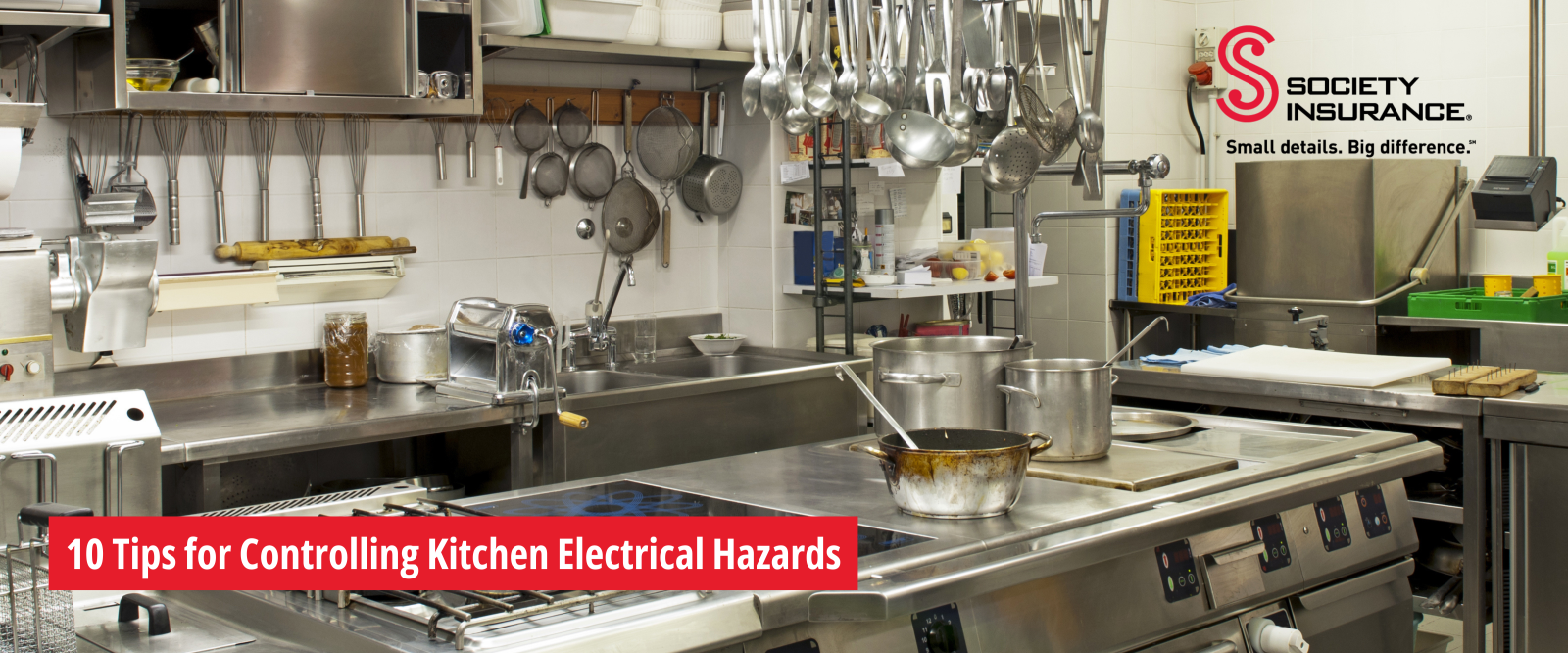
Electric shock is a frequent cause of kitchen injuries. Electricity in combination with wet floors, wet food preparation surfaces and dishwashing equipment can pose a serious hazard. For commercial kitchen operators, understanding and managing electrical hazards is crucial for both safety compliance and operational continuity.
Common Electrical Hazards in Commercial Kitchens
The following hazards may cause electric shock:
- Damaged or worn electrical cords
- Equipment and appliances with improper or faulty wiring
- Using a cloth for cleaning that is dripping wet near sources of electricity
Equipment-Related Hazards
Commercial kitchens present unique electrical challenges due to their demanding environment:
- High-voltage equipment: Industrial ovens, fryers, and dishwashers operate at higher voltages than residential appliances
- Heat and moisture exposure: Constant exposure to steam, grease, and temperature fluctuations can degrade electrical components faster
- Overloaded circuits: Multiple high-draw appliances operating simultaneously can exceed circuit capacity
- Improper equipment placement: Electrical equipment positioned too close to water sources or prep areas
Environmental Hazards
The commercial kitchen environment creates additional risks:
- Wet floors and surfaces: Frequent cleaning and food preparation create consistently moist conditions
- Grease accumulation: Electrical components exposed to grease vapors face increased fire and malfunction risks
- Temperature extremes: Rapid temperature changes can cause electrical components to expand and contract, leading to loose connections
Prevention Strategies for Electric Shock
To help prevent electrical shocks:
1. Do not “flip” the circuit breaker as an On and Off switch. This can cause damage to the breaker.
2. Make sure all employees know how to turn off the power in an emergency.
3. Always use dry hands when handling cords or plugs.
4. Pull on the plug, not the cord, to disconnect it from the outlet.
5. If the cord is wet or you are standing in water, remove the cord from the water. Do not plug it in.
6. Don’t run cords across walkways. This can damage the cord.
7. Remind staff to report any possible problems.
8. Avoid handling a cord or plug that has exposed wiring; a damaged cord should be discarded. Only handle the insulated part of a plug or cord.
9. If in doubt, have a licensed electrician evaluate the kitchen wiring, outlets, and switches to verify the system is appropriate for wet environments.
10. In wet environments, use only cords with Ground Fault Circuit Interrupters (GFCI’s).
Equipment Selection and Compliance Standards
Choosing Compliant Electrical Devices
Not all electrical equipment is suitable for commercial kitchen environments. We recommend selecting devices that meet these standards:
- NSF International certification for food service equipment
- UL Listed products that have undergone rigorous safety testing
- IP ratings of at least IP65 for equipment near water sources
- Commercial-grade construction designed for high-use environments
Non-Compliant Devices to Avoid
Certain electrical devices pose significant risks in commercial kitchens:
- Residential-grade appliances not rated for commercial use
- Extension cords as permanent wiring solutions
- Equipment without proper grounding capabilities
- Devices lacking appropriate moisture protection ratings
- Appliances with damaged or missing safety certifications
Maintenance Schedules and Inspection Protocols
Daily Inspection Checklist
Establish a routine daily inspection protocol:
- Visual cord inspection: Check all visible electrical cords for damage, wear, or exposed wiring
- Equipment cleanliness: Ensure electrical components are free from grease and moisture buildup
- Proper storage: Verify electrical equipment is stored away from water sources when not in use
Weekly Maintenance Tasks
Implement these weekly maintenance procedures:
- Deep cleaning around electrical outlets: Remove grease and debris that could cause short circuits
- Cord organization: Ensure all cords are properly routed and secured, not creating trip hazards
- Temperature monitoring: Check that electrical equipment isn’t overheating during peak operations
- Documentation: Record any electrical issues or concerns in a maintenance log
Monthly Maintenance Task
Complete this maintenance each month:
- GFCI testing: Test all Ground Fault Circuit Interrupters using the test and reset buttons
Monthly Professional Inspection Best Practices
Schedule monthly inspections with qualified personnel:
- Circuit load testing: Verify circuits aren’t operating at or near capacity limits
- Connection tightness: Check all electrical connections for looseness or corrosion
- Insulation testing: Test insulation resistance to identify potential failure points
- Panel inspection: Examine electrical panels for signs of overheating or component wear
Annual Comprehensive Evaluation Best Practices
Conduct thorough annual assessments:
- Complete system evaluation by a licensed commercial electrician
- Code compliance review to ensure adherence to local electrical codes
- Equipment lifecycle assessment to plan for replacements before failures occur
- Emergency response testing to verify all staff can properly respond to electrical emergencies
Our risk control team is available to help facilitate your safety and health efforts. Learn more about this collaborative and consultative partnership, as well as the exclusive safety resources developed to keep your workplace safe and profitable.
We understand that managing electrical safety in commercial kitchens requires ongoing attention and expertise. Our risk management specialists work directly with restaurant and food service operators across our service area to develop customized safety protocols that protect employees and business operations.
Society Insurance is known throughout the industry as a leader in providing superior restaurant and bar insurance, custom-tailored to fit each operation's unique needs. To learn more, visit societyinsurance.com/georgia.
This information is provided as a convenience for informational purposes only and does not constitute legal or professional advice. It is provided to assist you in recognizing potential unsafe work problems or conditions and not to establish compliance with any law, rule or regulation.