
6 Back of House Energy Hacks for Every Restaurant
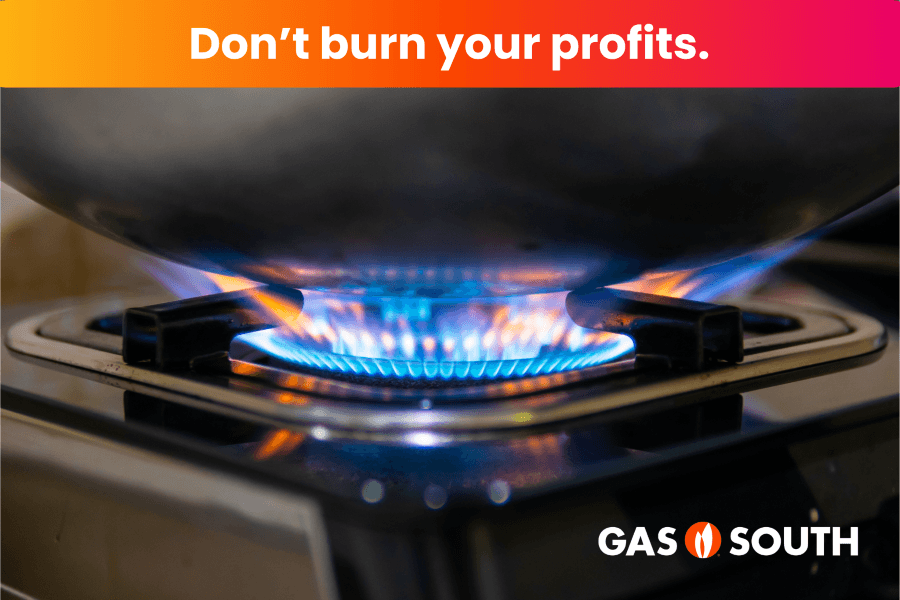
In the restaurant industry, efficiency isn’t built overnight. It comes from small, steady improvements in the day-to-day of your kitchen and operations—something we’re often talking through at Gas South as a Georgia Restaurant Association partner. Let’s take a look at a few energy-saving moves every restaurant can—and should—put to work.
1. Optimize preheat and idle times.
In a busy kitchen, it’s easy to fire everything up early and let it run. But gas equipment heats quickly, which means long preheats and idle time often go to waste. The good news? You can make a few simple adjustments that create a noticeable difference without slowing down your kitchen flow:
- Preheat equipment only when needed (gas heats quickly)
- Turn off unused burners during slow periods
- Use timers or simple reminders to avoid unnecessary idle time
2. Keep burners and gas lines clean.
When burners get dirty, they don’t burn gas as efficiently, which means wasted energy and longer cook times. Clean equipment produces better heat and less waste. Try this:
- Clean burners weekly
- Watch for yellow flames, which can signal inefficiency
- Use pots and pans that fully cover the flame to reduce heat loss
3. Use the right equipment for the job.
In many kitchens today, it’s not uncommon to see high-BTU equipment being used for tasks that don’t need it—and that’s just extra fuel you’re paying for. Here are some quick wins:
- Use low‑BTU burners for simmering or warming
- Use gas griddles instead of ranges for certain items
- Match pan size to burner size
4. Improve kitchen ventilation efficiency.
Vent hoods use a lot of energy, and they often run harder or longer than necessary. With a few small adjustments, you can help them work more efficiently without getting in the way of your day-to-day operations. Start here:
- Clean filters regularly to keep air moving properly
- Use demand-controlled ventilation if possible with your system
- Turn hoods off during prep when no gas equipment is in use
5. Maintain proper refrigeration spacing.
Refrigeration has to work harder when its airflow is restricted or when it’s placed too close to heat sources. Help yours run more efficiently and with less strain using these tips:
- Keep coolers away from ranges, fryers and ovens
- Maintain 3–6 inches of clearance for proper airflow
- Clean condenser coils monthly
6. Use pilot lights wisely.
Pilot lights are dependable, but they can quietly add to your gas usage when left on unnecessarily. Try these hacks to manage them more intentionally and cut waste:
- Turn off pilot lights on unused equipment
- Consider intermittent pilots if available
- Check that pilot lights are properly sized and aligned
Looking for great natural gas service? Get a free quote today with Gas South, Georgia’s highest-rated natural gas provider and proud partner of the GRA.