How Restaurants Can Prevent Costly Plumbing Disasters
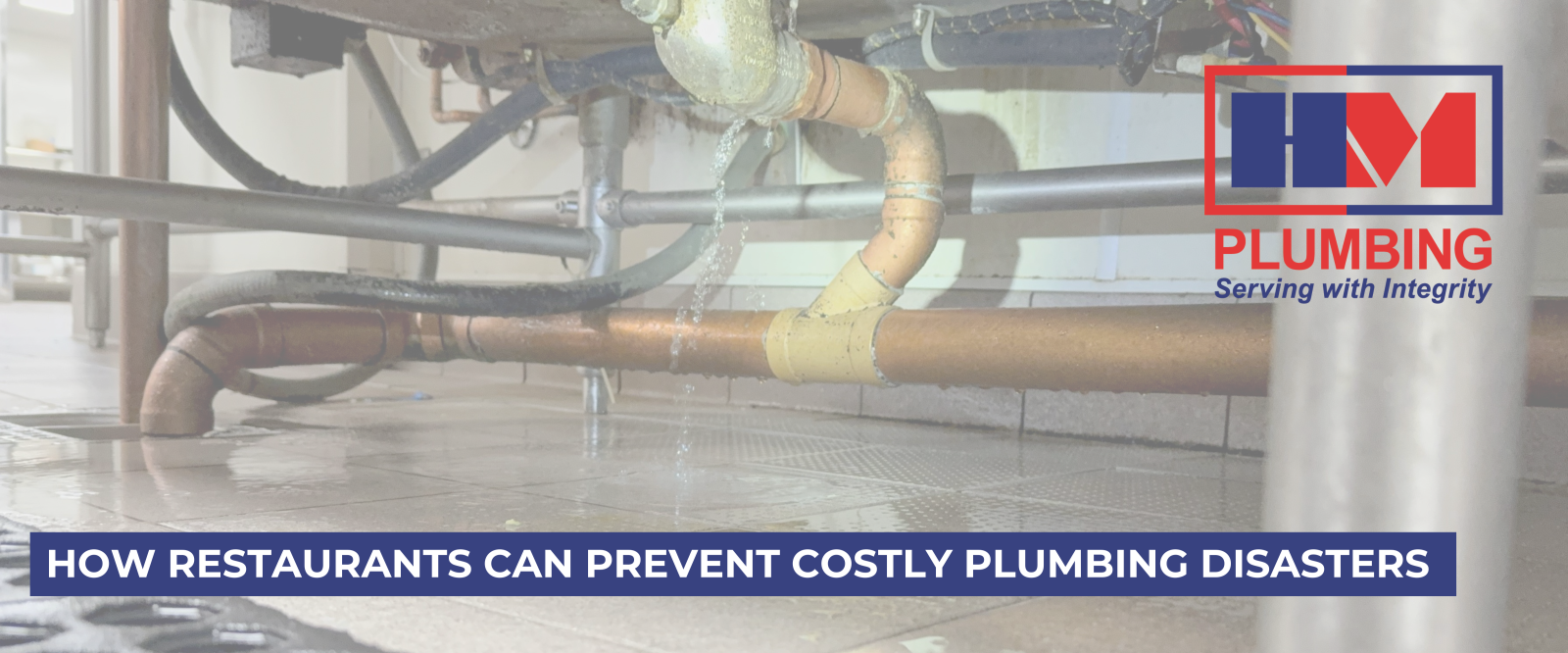
How Restaurants Can Prevent Costly Plumbing Disasters
By HM Plumbing | Supporting Georgia’s Restaurant Industry
Running a restaurant means managing constant motion—staff, guests, food quality, and compliance. Plumbing rarely makes the priority list… until something goes wrong.
A backed-up drain during dinner service or a failed water heater on a busy weekend isn’t just inconvenient—it can shut down operations, impact health inspections, and cost thousands in lost revenue.
At HM Plumbing, we work with restaurant operators across Metro Atlanta, and we see the same issues come up time and time again. The good news? Most plumbing disasters are preventable with the right approach.
1. Schedule Routine Plumbing Inspections
The best emergencies are the ones you never have.
Commercial plumbing systems are far more complex than residential systems, handling higher volumes of water, grease, and waste every day.
Routine inspections help identify:
- Grease buildup before it causes blockages
- Early signs of leaks or corrosion
- Water pressure issues that can damage equipment
Best Practice:
Schedule inspections at least twice per year—or more frequently for high-volume kitchens.
2. Train Your Staff on Drain Etiquette
Your team is your first line of defense.
Clogged drains are one of the most common plumbing issues in commercial facilities due to the volume of waste moving through the system.
In restaurant kitchens, the biggest culprits include:
- Grease and oils
- Food scraps
Paper towels and cleaning rags
Simple Fix:
Post clear signage in prep and dish areas:
- “No grease down the sink”
- “Food waste goes in trash or compost”
Consistency here can prevent major service interruptions.
3. Maintain Grease Traps & Key Equipment
Protect your pipes—and your compliance.
Grease traps are essential in restaurant operations. Without proper maintenance, grease buildup can lead to:
- Sewer backups
- Foul odors
- Health code violations
Operational Tip:
- Clean grease traps weekly or monthly, depending on usage
- Service water heaters annually to maintain efficiency and avoid failure
An inefficient water heater can lead to inconsistent temperatures and operational disruptions—especially in kitchens that rely on precise hot water delivery.
4. Don’t Ignore Early Warning Signs
Small problems don’t stay small in commercial plumbing.
What starts as a slow drain or minor leak can quickly escalate into:
- Full backups
- Water damage
- Emergency shutdowns
Watch for:
- Slow-draining sinks
- Unusual odors
- Water stains or damp areas
- Sudden increases in water bills
Even hidden leaks can cause significant damage over time if left unaddressed.
Rule of Thumb:
If something feels off—call early. It’s always less expensive than waiting.
5. Prepare for Seasonal Changes
Weather can impact your plumbing more than you think.
Outdoor plumbing, patio kitchens, and irrigation systems are vulnerable during colder months. Frozen pipes can crack and lead to major flooding.
Preventative Steps:
- Insulate exposed pipes
- Shut off exterior water sources before freezing temperatures
- Check for drafts in mechanical areas
Keep the Water—and Your Business—Flowing
Plumbing issues in restaurants aren’t just maintenance concerns—they’re operational risks. From failed inspections to lost revenue during downtime, the impact can be significant.
The most successful restaurant operators treat plumbing the same way they treat food safety:
proactive, routine, and non-negotiable.
A Partner in Prevention
At HM Plumbing, we specialize in commercial plumbing solutions for restaurants across Georgia. We understand the pace, pressure, and standards of the foodservice industry—and we’re here to help you stay ahead of problems before they start.
Interested in a preventative plumbing walk through for your restaurant? Email us today to schedule.
Our team offers practical, real-world insights tailored to your kitchen and operations.
HM Plumbing
770-792-1200
info@hmplumbing.com